
One Fort, Four Stories
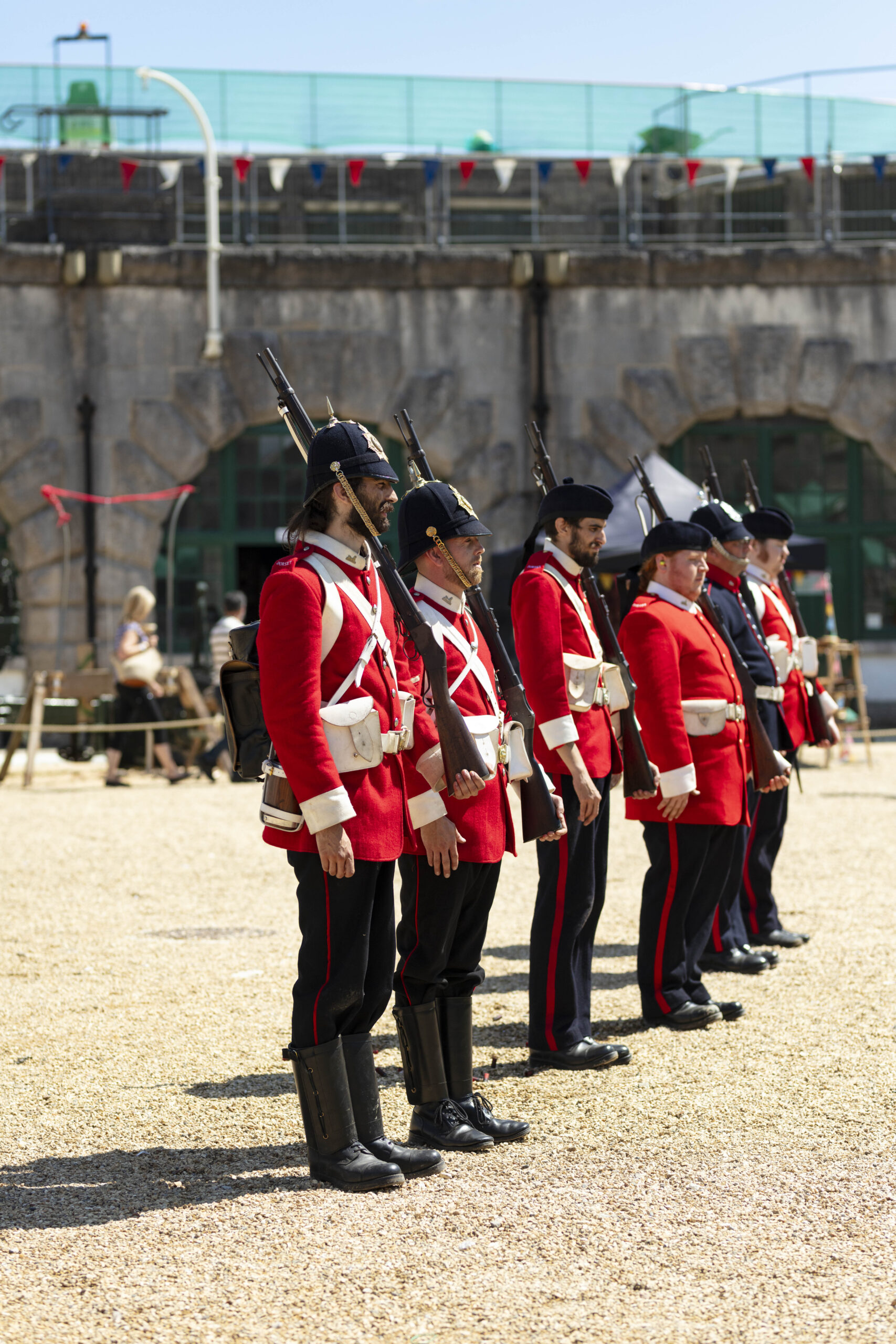
Built in the 1860s as part of Britain’s Victorian coastal defences against a feared French invasion, Nothe Fort stands today as one of the best‑preserved examples of Victorian military engineering.
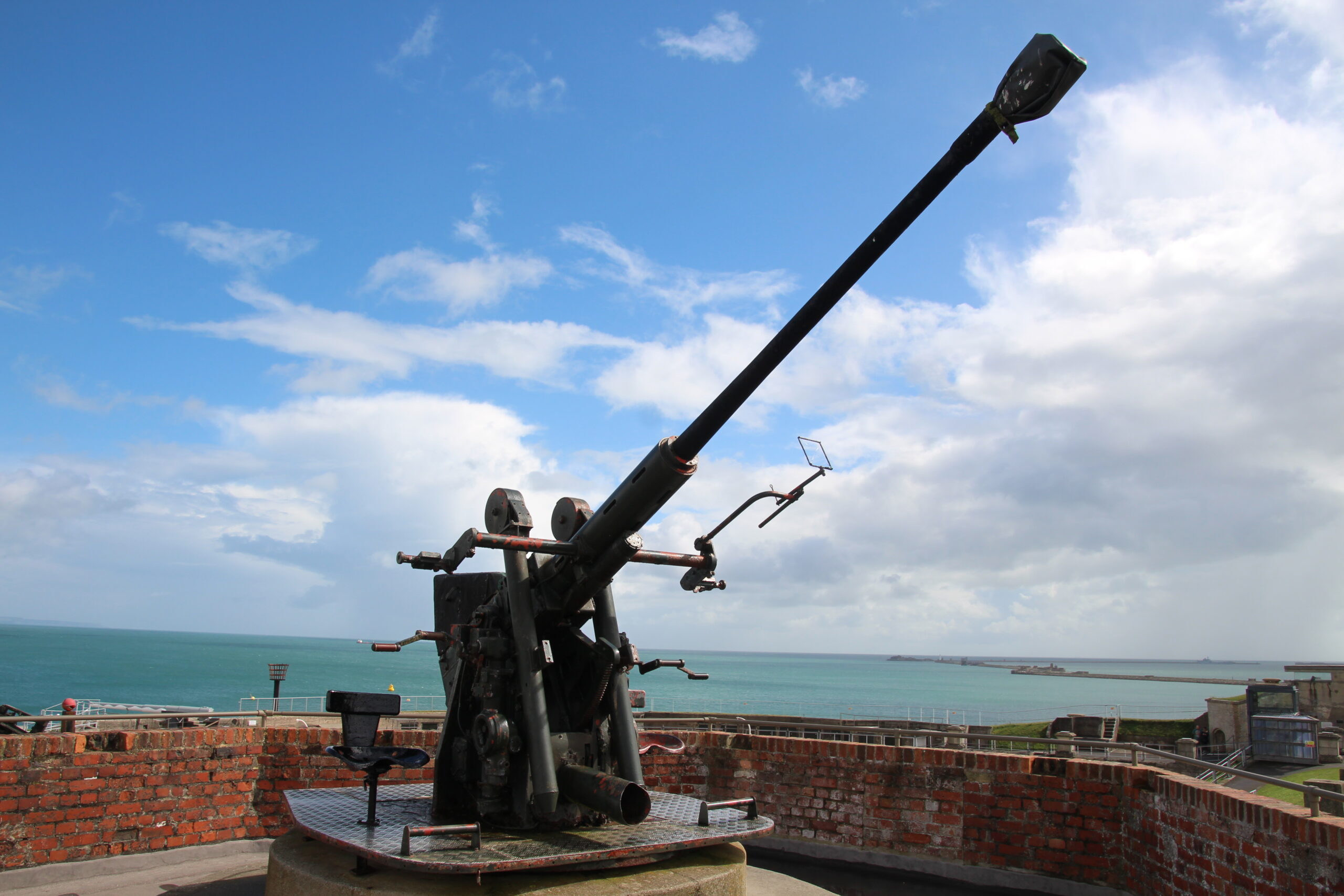
During the Second World War, Nothe Fort protected the harbours of Weymouth and Portland during the Allied build‑up to D‑Day and served as a vital ammunition depot.
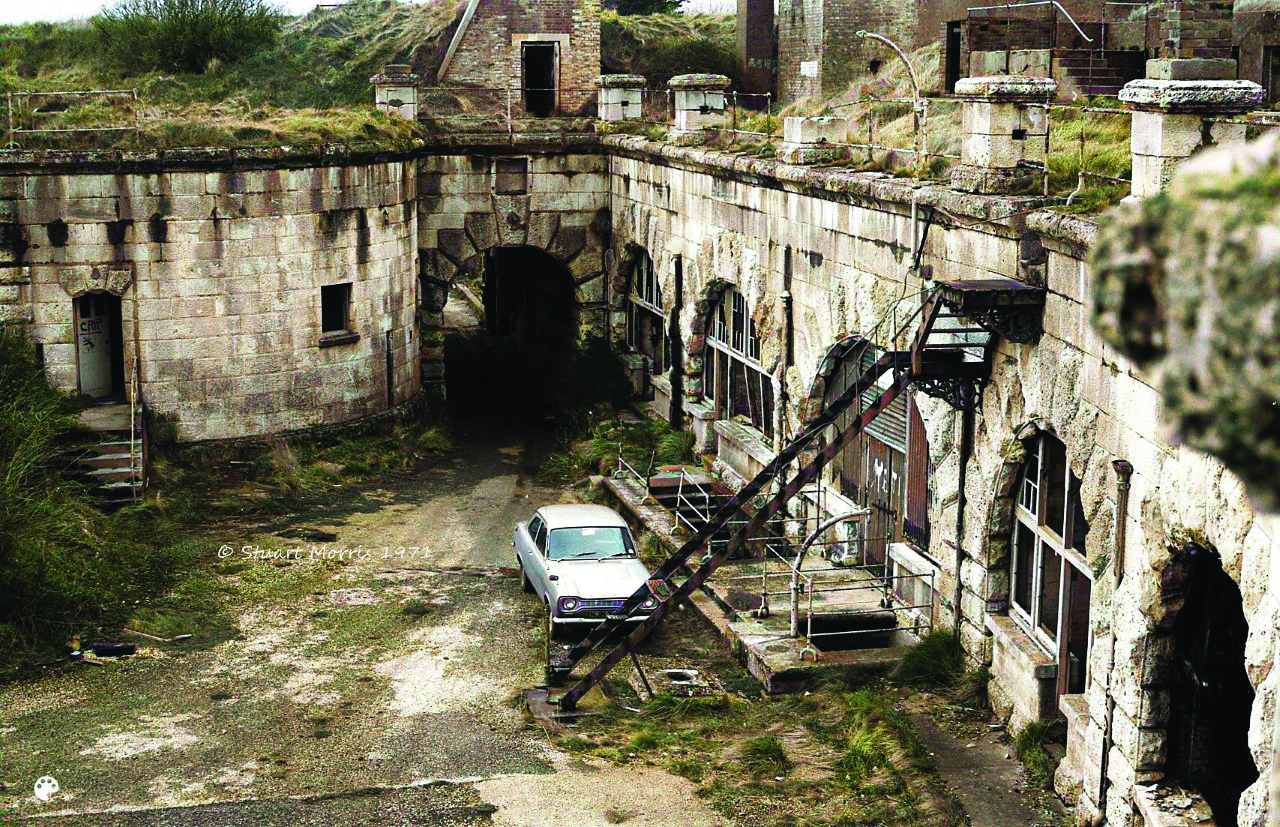
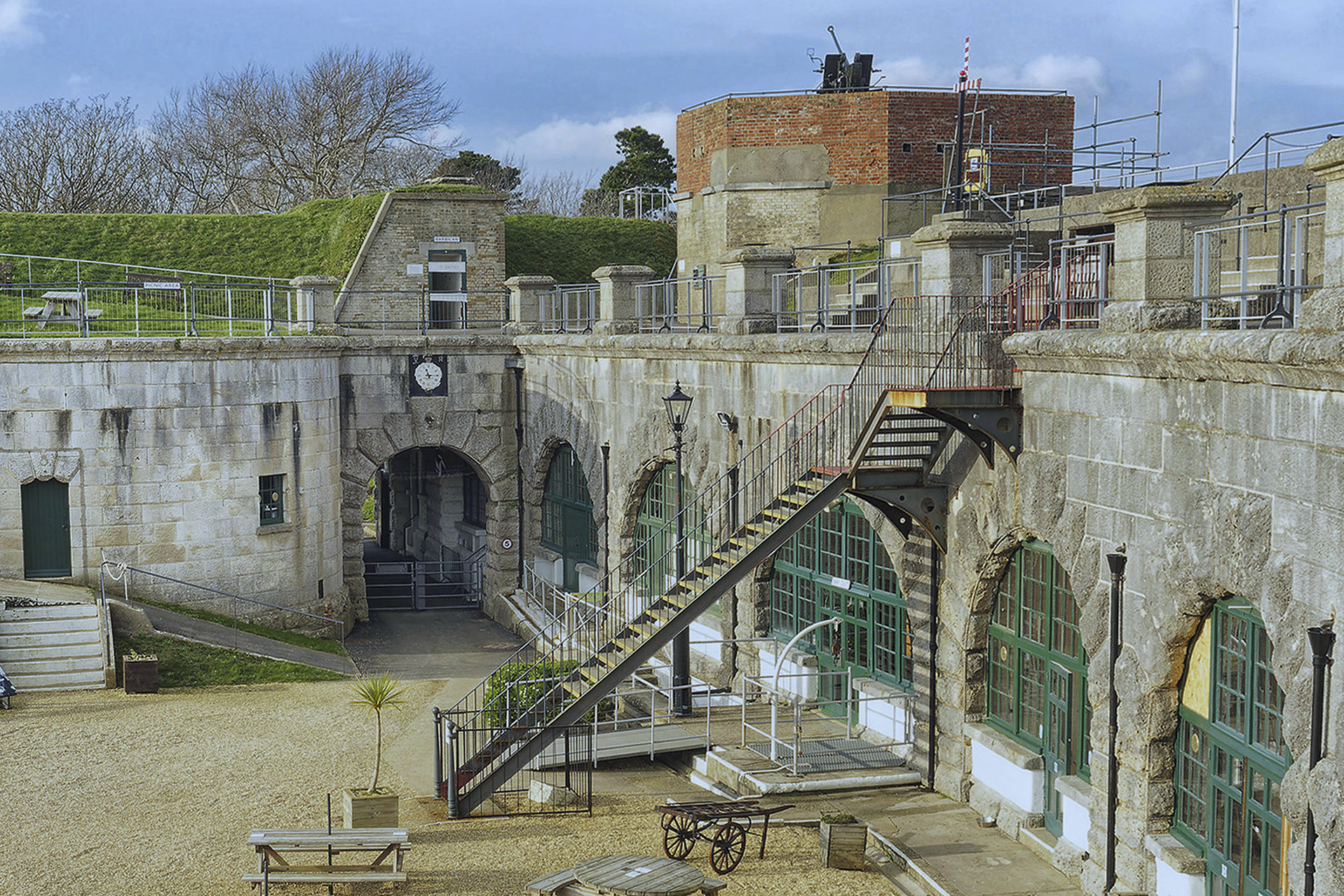
After falling into dereliction in the 1960s and 70s, the fort became an unofficial playground for local teenagers before the community rallied to restore it, transforming the site into today’s award‑winning heritage attraction. Read more…
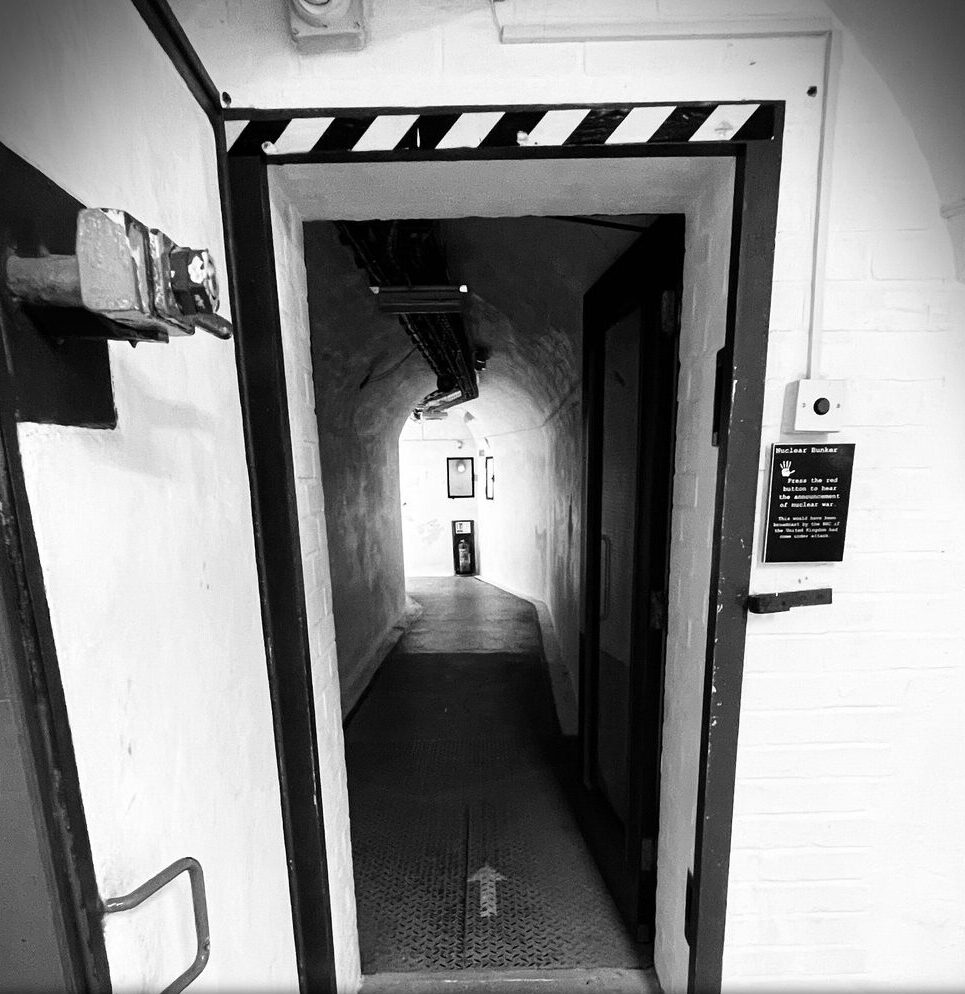
During the Cold War, part of the site was secretly converted into a local emergency control centre – more commonly known as a nuclear bunker – reflecting the tense, ever‑present threat of nuclear conflict that defined the era.
Nothe Fort Timeline
Nothe Fort’s story spans more than 160 years: from Victorian coastal defence, through wartime and Cold War use, to the museum you see today.
1847
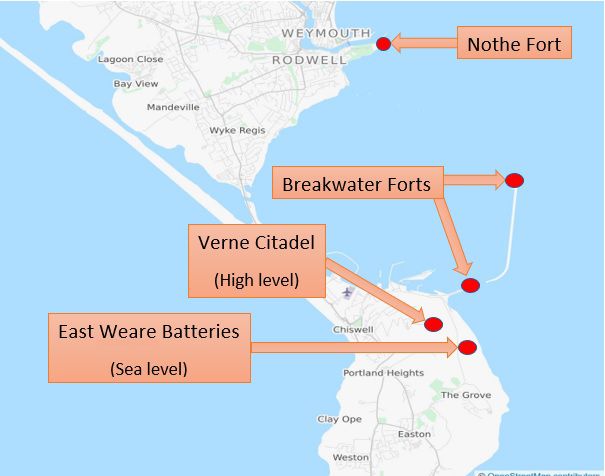
Work begins on the Portland breakwater, two walls built onto the seabed which form a safe harbour for merchant ships and the Royal Navy. It takes 22 years to complete. Forts were designed to protect the harbour from attack and French invasion, positioned at The Verne and East Weare on Portland, the end of the Breakwater arms, and at the Nothe.
1859
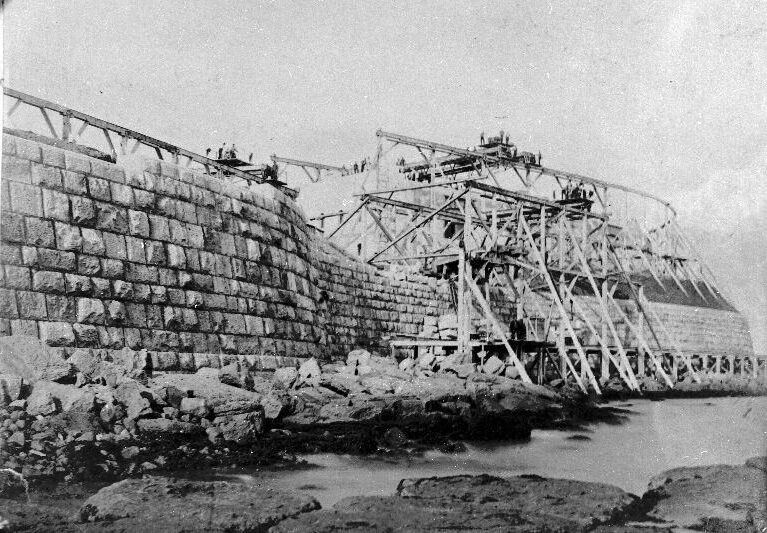
Building of the Nothe Fort begins.
1869
Building work is complete. The Fort is initially left unarmed as there is little threat of attack or invasion.
1872
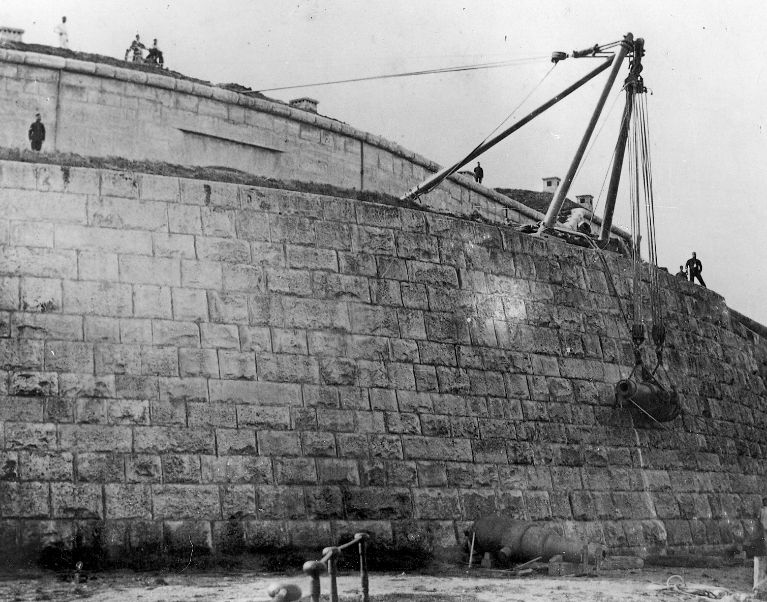
The fort is armed with 12 muzzle loading coastal defence guns, firing shells of up to 10-Inches in diameter. They are mounted in enclosed gun positions surrounding the Parade Ground called Casemates.
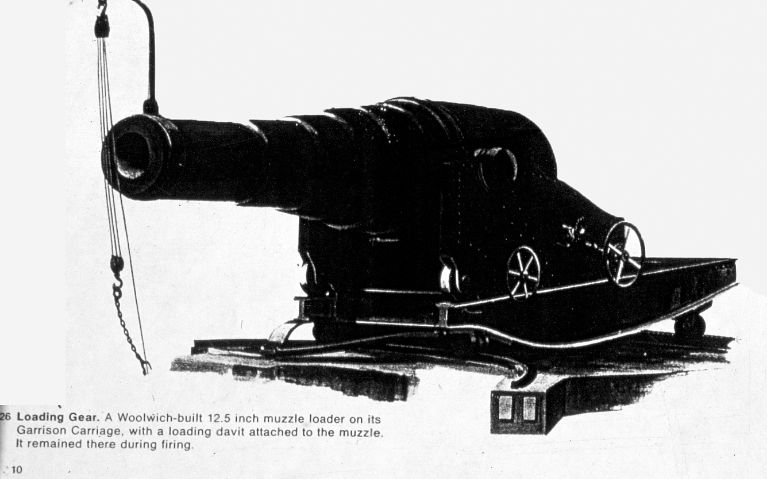
In 1892 seven of the guns are replaced with larger more powerful 12.5-inch muzzle loading guns and the fort magazines are extended.
1903
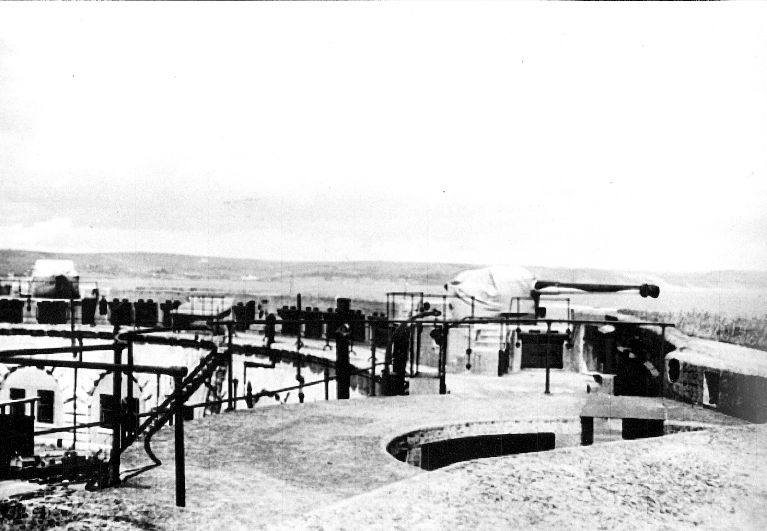
The 12 muzzle-loading guns are replaced by two 6-inch breech loading guns on the ramparts, which are more accurate had a longer range and faster rate of fire. A third is added in 1908.
1914 - 1918
World War I
The Nothe Fort guns are taken out of service in 1916, as by then there was little risk of an attack from the sea.
The garrison are redeployed to either the Breakwater Fort or volunteered to serve on the Western Front.
1939 - 1945
World War II
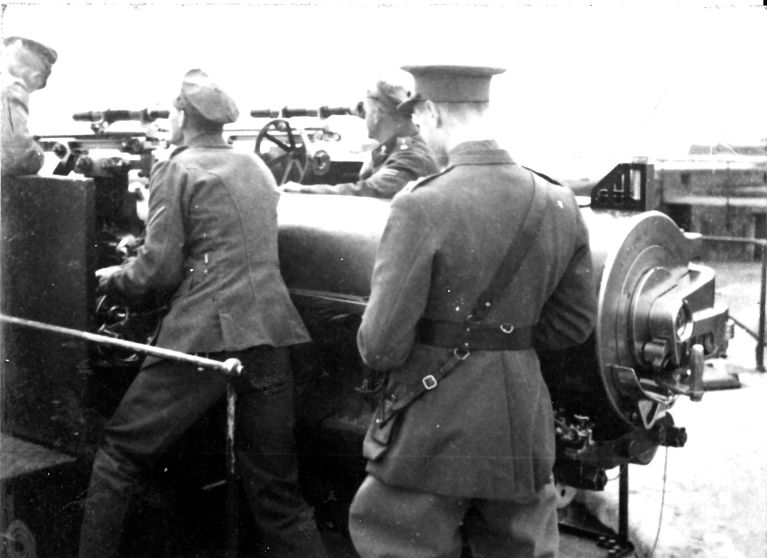
Two of the three 6-Inch breach loading guns are returned to service. An anti-aircraft (AA) gun is added on a tower by the gatehouse, with four more heavy AA guns just outside the fort in what is now the carpark.
The fort is a key part of the local defences when a German invasion was feared in 1940 and later in the war protected American forces in the build-up to the D-Day Normandy landings. It is also used as an AA ammunition storage and distribution centre for South-West England.
1956
The use of fixed guns for coastal defence is abandoned. Nothe Fort’s guns are scrapped, and the fort is just used for military storage.
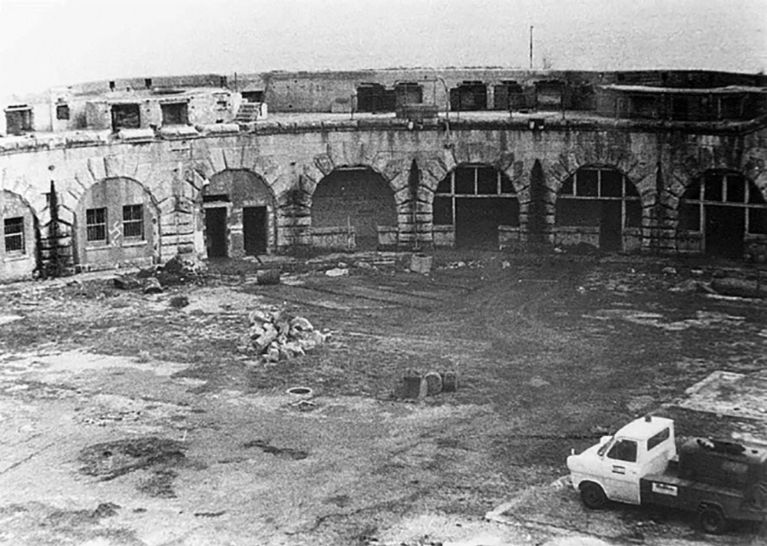
1970
The military no longer need the fort. Ownership is transferred to Weymouth and Portland Council, but the fort soon becomes derelict.
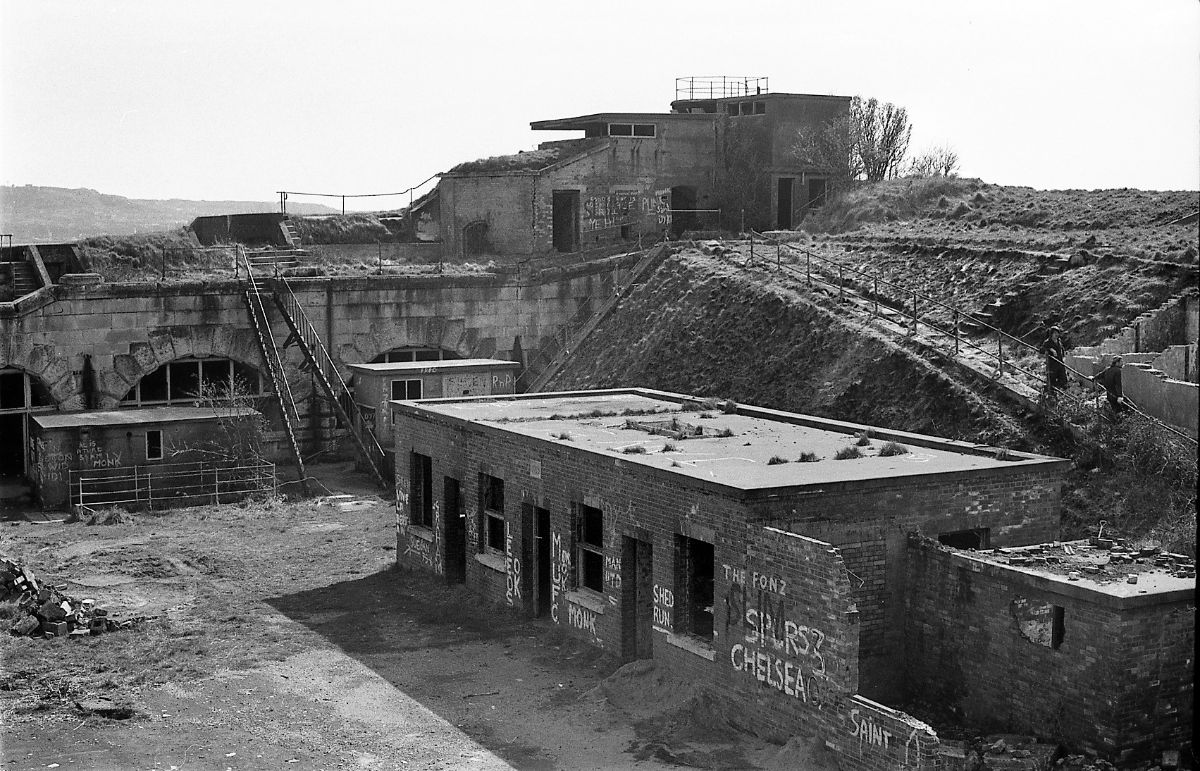
1980
Weymouth Civic Society volunteers begin restoration, and the Nothe Fort Museum of Coastal Defence opens to the public.
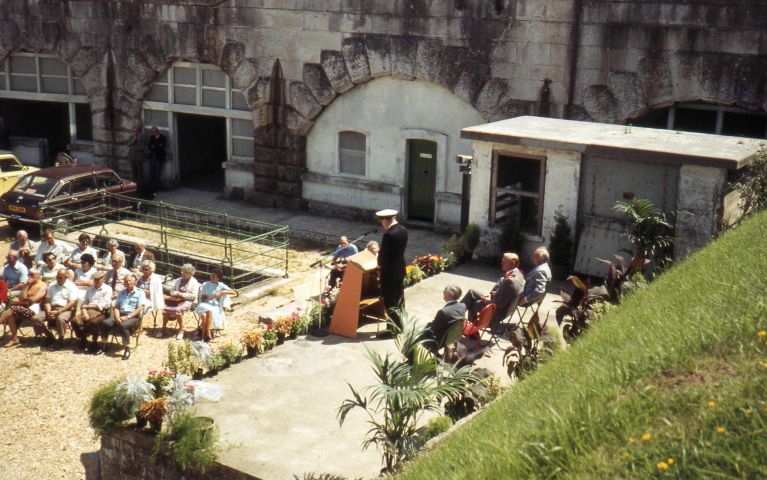
1984 - 1990
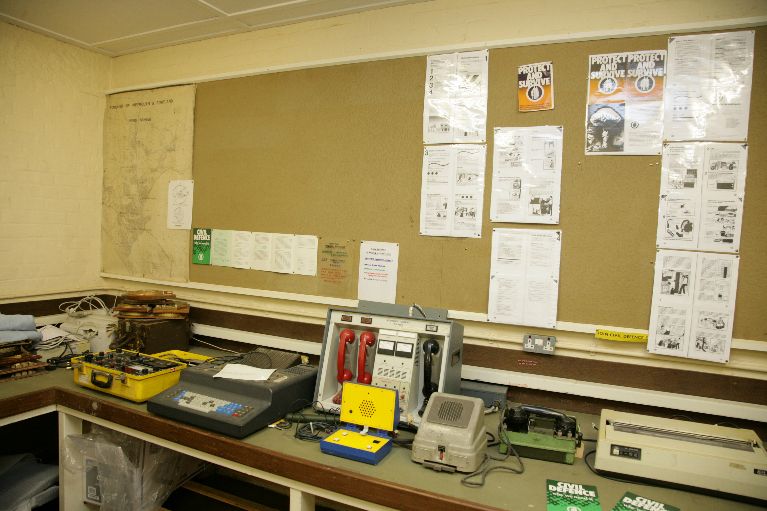
The Council convert part of the underground magazine area into an emergency Civil Defence Nuclear Bunker.
This is decommissioned in 1990 after the collapse of the Soviet Union.
2022
Nothe Forts 150th anniversary. After 84 years of military use the fort has been open as a museum for 42 years, welcoming over 2,000,000 visitors.
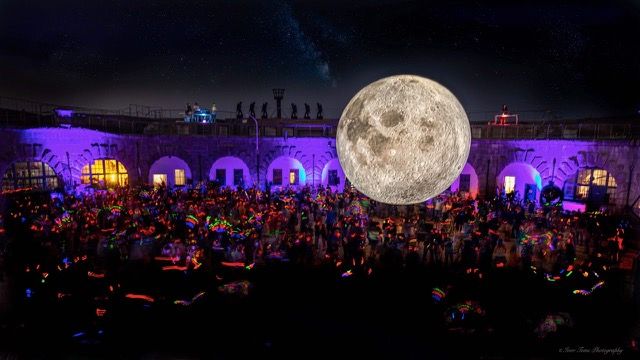
It has also hosted many special events and exhibitions such as the 2019 Luke Jerram’s art installation ‘Museum of the Moon’
2025
In July 2025, the Fort’s newest exhibition, The Amnesty Project, opened to the public.
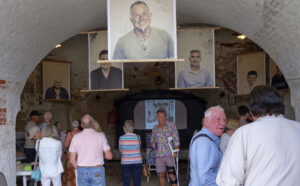
The Amnesty Project is Nothe Fort’s good-humoured exhibition revealing the spirit of youth in older people, disclosing the extraordinary ways in which their presence at the fort created new and compelling stories.
A group of men and women that used to break into Nothe Fort during the 1960s and 70s shared their stories with us.
These accounts have been recorded in striking portraits and a film of the rebels, recounting their adventures in the abandoned fort.
Have they mellowed over the years? Come and find out!
Glossary
Garrison
Group of troops stationed in a fort.
Rifled muzzle
The inside of the gun barrel has ridges to spin the shell.
Breech loading
Ammunition is inserted into the back of the gun.
Caponier
Meaning chicken coop in French – a gun gallery facing out along the moat to protect the entrance from attack.
Share


